
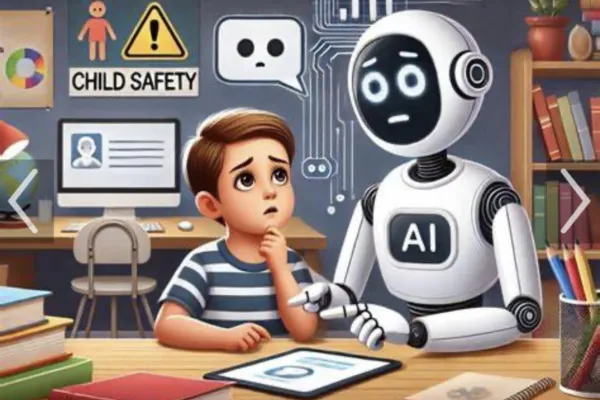
The Dangers of Artificial Intelligence for our Children
Artificial Intelligence is the ability of computer systems to perform tasks that usually need human intelligence like learning, problem solving, decision making, understanding language and recognising patterns using algorithms and data to simulate human cognitive functions.
Whilst it can be seen as a positive in many instances, the risks are high when children aren't sure what is real, who they might be speaking to, or how AI works.
There are many websites in which you can find information about AI. The following bullet points are from the NSPCC website. They highlight dangers and what we can do to help support our children in navigating social media.
They include:
- AI-Generated CSAM: Criminals are using AI to create photorealistic, synthetic child sexual abuse material, often merging new photos of children found on social media with illicit content.
- Nudification Apps: AI tools are used to strip clothing from photos, creating fake, explicit, non-consensual intimate images (NCII) of children, often used for bulling or blackmail.
- Sextortion: Predators use AI-generated images to coerce children into providing more content, sending money or engaging in further sexual acts, with cases of blackmail rising significantly.
- AI-Driven Grooming: Advanced algorithms analyse a child's online activity to help predators more effectively target and exploit them.
The risks are:
1. Mental Health and Development
- Intense Emotional Dependency: Children may from unhealthy, “parasocial” relationships with AI chatbots, becoming overly attached to companions who appear to “understand” them.
- Dangerous advice: AI chatbots have been known to provide inappropriate, harmful, or dangerous advice, including encouraging self-harm, eating disorders, or suicide.
- Diminished Social Skills: High reliance on AI for conversation or homework may reduce face-to-face interactions with peers and educator.
- Illusion of Knowledge: Overreliance on AI for creative or academic tasks can hinder the development of critical thinking and problem-solving skills.
2. Content Risks and Misinformation
- Inappropriate Content: Children may be exposed to violent, hateful, or sexually explicit content generate by AI that lacks strict safety filters
- Misinformation: AI can produce false information that sounds highly convincing, affecting children's education and understanding of factual events.
- Algorithmic Bias: AI systems can reflect stereotypes or unfair, biased ideas regarding race, gender, or sexual orientation, which can negatively influence children.
3. Privacy and Safety
- Data Collection: AI tools, including smart toys and voice assistants, often collect vast amounts of data on children, which can be stored and shared with third parties.
- Identify Theft: AI voice cloning and deepfakes can be used to impersonate children or their friends to perpetrate scams.
From the above information, it is clear that AI is extremely dangerous to children and young adults. They can't tell if what they are reading/watching is real or made up. Here are some ways in which we can help protect our children when they are online.
The recommended Protective Actions are:
- Open conversations: Initiate conversations with children about risks of AI and encourage them to report anything that makes them feel uncomfortable.
- Monitor Activity: Supervise children's use of AI tools, particularly “friend” chatbots or image generators.
- Set boundaries: Establish rules for using AI, such as not sharing personal information or photographs.
- Use parental controls: Utilize safety features and restrictions on devices and apps.
Identify Red Flags: Watch for signs of distress, such as sudden changes in online behaviour, secretive actions, or increased isolation.
What to do when harmful or fake content is made about your child
- Talk to your child in a calming and reassuring way so that they understand that this is not their fault.
- Take screenshots
- Report content to the platform where it appears using their reporting tools
- Along with your child you can request to have it removed through the NSPCC “Report Remove Tool”
- If the content is of a threatening or illegal nature, contact the police and speak with the child's school.
AI is becoming a regular part of children's online experiences. From, chatbots and homework apps to creative tools, so we, as parents and carers, must keep up to date with information online and be aware of current trends that could endanger our children.